Boston College Towns See Apartment Vacancy Surge Amid Declining Intern…
페이지 정보
작성자 장명술 편집장 작성일본문
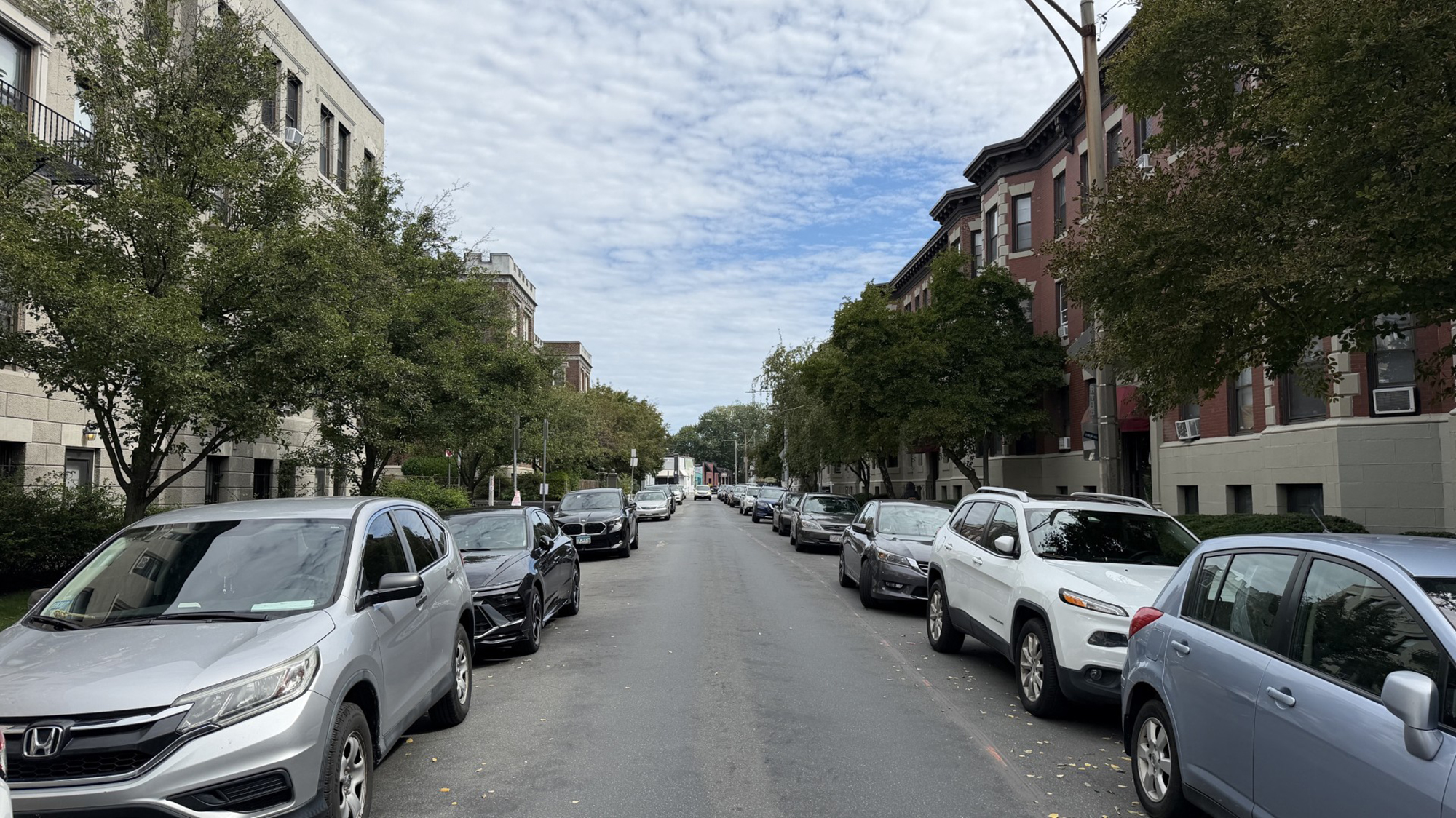
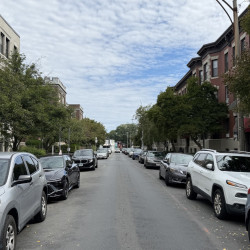
A view of Glenville Avenue in Allston, where apartments are concentrated, in early September. The street that used to be bustling with moving trash and students for about a week after September 1st is now quiet
(Boston = Boston Korea) Reporter Moyng Sool Chang = The impact of declining international student enrollment is becoming concrete in Boston's college-area rental market. Apartments that were typically fully leased by September 1 each year still have vacancies this year after moving season, and some landlords are lowering rents or waiving one or two months' rent to avoid vacancies.
According to real-time data from Boston Pads on September 10, the apartment vacancy rate in the city of Boston was 4.54%, approximately 2.6 times higher than 1.72% during the same period last year. The rental availability rate, which includes apartments currently available or available for future move-in, also rose from 2.06% last year to 4.90% this year. On September 4, just after the massive September 1 moving day, the apartment vacancy rate was 1.67%, about four times higher than 0.47% during the same period last year. As of the 10th, the apartment vacancy rate in Greater Boston, including areas surrounding the city, was also 4.23%, approximately 2.45 times higher than 1.73% on the same day last year.
While the absolute vacancy rate for Boston apartments is still low, it's a clear change compared to recent years when rental inventory was extremely scarce. This phenomenon is particularly pronounced in college neighborhoods such as Mission Hill, where many international students reside.
NBC10 Boston reported on August 31, citing Boston Pads data, that landlords are lowering rents or offering free rent incentives as rental demand in college neighborhoods has weakened compared to previous years. Boston Pads CEO Dimitrios Salpoglou analyzed that the decrease in international students coming to Boston has affected the decline in rental demand in college areas. He explained that international students often rent two-bedroom or larger apartments together near campus, so a decrease in student numbers has a significant impact on the rental market.
The Association of International Educators (NAFSA) and JB International projected that international student enrollment at U.S. universities could drop by up to 111,000 this fall. This represents a decline of approximately 9.5% from last year.
NAFSA analyzed that the decrease is due to a combination of factors including delays in student visa interviews and strengthened immigration policies. Applications from international students for doctoral programs at U.S. universities declined 21% year-over-year, and admissions fell 17%. International student applications through the Common App college admissions platform also dropped 9%.
The economic loss from declining international student enrollment is expected to reach up to $3.4 billion nationwide, with approximately 40,000 jobs anticipated to be affected. Massachusetts' economic loss, calculated based on the nationwide decline figures, was estimated at $284 million.
The same signal of declining demand from people coming to Boston looking for housing also appeared in an analysis of Boston Korea.com's message boards.
Comparing summer (June-August) data unaffected by the 2024 site shutdown, "seeking" rental posts decreased from 118 in 2023 to 74 in 2025 and 57 this year. It has dropped to less than half in three years.
In contrast, "leaving" posts seeking to transfer existing rentals or find sublet tenants increased significantly this spring. "Leaving" posts from March to May increased 36% from 153 last year to 208 this year.
Movement preparing to move also increased on the buy-and-sell board. Summer buy-and-sell moving sale posts actually increased 26% from 124 in 2023 to 156 in 2026.
Not all message board users are international students, and rental departures or moving sales don't necessarily mean leaving Boston. People may be moving within the Boston area. Therefore, message board data alone cannot definitively confirm a decline in international students or a mass exodus from the Korean community. Nonetheless, it's noteworthy that Boston Pads data and Boston Korea.com data point in the same direction. This data suggests the possibility that declining international student enrollment is affecting not only the college-area rental market but also population movement within the Korean community.
In the rental market, tenants are directly experiencing the change. Graham, who delayed signing an apartment lease in Brookline until late summer, received one month's free rent from his landlord. The landlord offered free rent out of concern that the apartment would remain vacant into fall, and this condition became a major factor in his decision to sign.
Jacob Tamkin, who rented an apartment in Mission Hill, also said he witnessed cases where landlords offered special conditions of waiving one or two months' rent.
Just last year, tenants who hadn't found housing by August had almost no options left and had to rush to sign leases even for apartments in poor condition. However, this year, relatively good apartments remain on the market even after the September moving season began.
Salpoglou said that in the past, starting to look for an apartment in August was considered too late, but this year landlords are lowering rents to find appropriate prices, increasing the likelihood that tenants can sign under favorable conditions.
Despite increased vacancies, Boston rents have not declined. The average advertised rent for Boston apartments is $3,367 per month, 3.31% higher than $3,259 a year ago. However, compared to $3,423 ninety days ago, it has decreased 1.64%.
This is evidence that the market direction is gradually shifting in tenants' favor, as rents have declined across most apartment types in recent months.
[email protected]
This article was translated from the Korean original with the assistance of AI and reviewed by Boston Korea editors.
Original Korean article: https://bostonkorea.com/bbs/board.php?bo_table=news&wr_id=46584
댓글목록
등록된 댓글이 없습니다.